


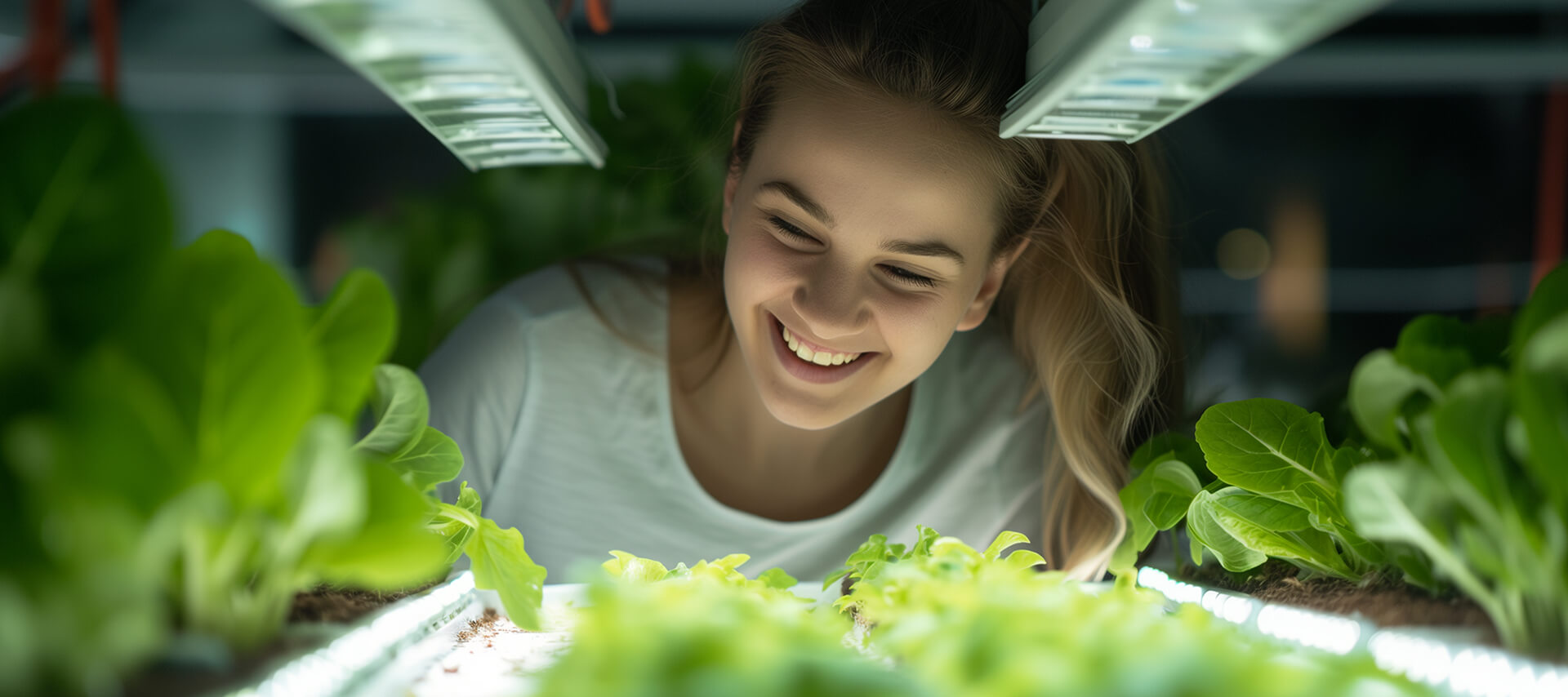
Hydroponics is a great way to grow fresh plants at home, even if you don’t have a lot of space. Choosing the right plants is crucial for successful hydroponic cultivation, especially for beginner gardeners. Not all plant species are equally suited to a hydroponic environment, so it’s worth knowing which ones grow best in water. Below you’ll find an overview of the most popular and easiest hydroponic plants to grow, along with tips on how to care for them so you can enjoy healthy yields..
Why is plant selection so important in hydroponics?
Plants have different environmental requirements and not all of them thrive in a hydroponic system. Some plants, such as root vegetables (e.g., carrots), grow better in soil, where they have more space to develop their root system. The plants best suited to hydroponics are those with a shallow root system and a fast growth cycle, which makes them easier to adapt to the aquatic environment. Choosing the right plants avoids many problems and gives you a better chance of getting healthy, abundant crops.
Which plants are best suited to home hydroponics?
Here is a list of plants that are great for hydroponic cultivation at home, along with
information about their requirements:
1. Kitchen herbs:
- Basil: Fast-growing and easy to care for. It only takes a few weeks to enjoy fresh leaves for seasoning your dishes.
- Mint: Perfect for hydroponics and tolerates a humid environment well. It is hardy and grows well with minimal care.
- Chives: A plant that germinates quickly and spreads easily. Chives need moderate light and regular watering.
- Coriander: A plant with a unique taste and aroma, but requires stable conditions and adequate lighting to avoid premature flowering
2. Leafy vegetables
- Lettuce: One of the easiest plants to grow hydroponically. It grows quickly and can be harvested after just a few weeks.
- Arugula: Another fast-growing leafy vegetable. It requires only basic lighting and moderate fertilization.
- Spinach: Grows exceptionally well in hydroponics. It prefers cooler temperatures, so it is suitable for year-round cultivation, especially in rooms with a stable climate..
- Kale: Known for its rich nutritional content, kale requires a little more space for its leaves to spread, but grows well in hydroponic systems.
3. Fruit vegetables
- Cherry tomatoes: Popular in hydroponics, especially cocktail varieties. However, they require solid support and adequate lighting.
- Peppers: A fruit-bearing plant that also works well in hydroponics. It requires more space and stable conditions, but with proper care it produces abundant yields.
- Cucumbers: Work best in hydroponic systems with more space, such as on a balcony or in a greenhouse. They require regular fertilization and intense lighting.
- Strawberries: Perfect for hydroponic cultivation. These plants respond well to stable conditions and adequate lighting, and in return provide sweet fruit throughout the season.
4. Ornamental plants
- Orchids: Hydroponic cultivation can be more difficult, but with the right lighting and water moisture, they bloom profusely.
- Begonias: They are easy to care for and bloom beautifully, and hydroponics provides them with optimal humidity levels.
- Ferns: They like a humid environment, which makes them grow well in hydroponics. They make a wonderful decoration for the home.
Which hydroponic systems work best for these plants?
Different hydroponic systems work better for different types of plants. Choosing the right
system can help you achieve better results:
- NFT (nutrient film): Ideal for herbs and leafy vegetables such as lettuce and arugula. Water with a nutrient solution flows through the system, supplying the roots with nutrients.
- DWC (deep water): Excellent for larger plants such as tomatoes and peppers. The roots are submerged in water that is constantly aerated.
- Drip system: Ideal for growing more demanding plants such as strawberries, which need precise watering.
Lighting for plants in hydroponics
Light is a key factor in plant growth in hydroponics. Most vegetables and herbs require at least 12-16 hours of light per day. Full-spectrum LED lamps work best in hydroponic cultivation, providing the right light waves for photosynthesis. For fruiting plants such as tomatoes, it is important to use intense light during the flowering and fruiting stages. Herbs such as basil and mint can grow under moderate lighting, but fullspectrum LEDs will help produce healthier leaves
Care and fertilization
Each plant has different nutritional needs, but the general rule in hydroponics is to regularly monitor pH and EC levels. For most plants, the optimal pH is between 5.5 and 6.5, and the conductivity (EC) should be adjusted to the specific requirements of the plant. Regular use of fertilizers rich in nitrogen, phosphorus, and potassium will ensure optimal growing conditions.
Summary
Hydroponics is a great way to have fresh vegetables and herbs at home all year round. Choosing the right plants and caring for them properly will allow you to enjoy abundant harvests. With plants such as lettuce, arugula, tomatoes, and basil, hydroponics can provide healthy and fresh crops without the need for soil.