

What is hydroponics?
Hydroponics is a method of growing plants without soil, where plants grow in water with dissolved nutrients.
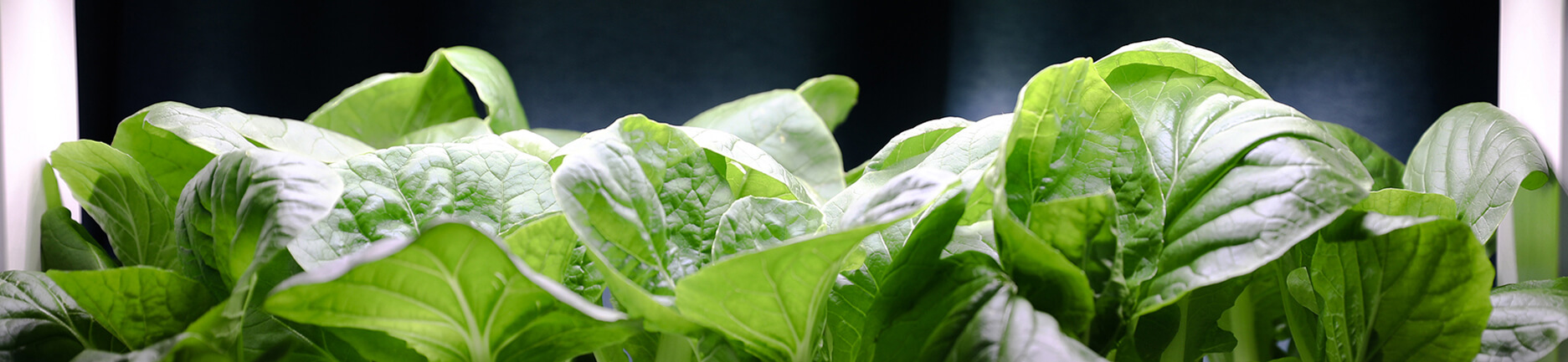
What is hydroponics?
Hydroponics is a method of growing plants without soil, where plants grow in water with dissolved nutrients.
What are the benefits of hydroponic growing?
Hydroponics allows for faster plant growth, saves space and water, and enables cultivation in controlled conditions.
Is hydroponics difficult?
Hydroponics is relatively easy, especially with ready-made systems. Beginners may need some time to learn, but with the right support, anyone can master it.
What plants can be grown in hydroponics?
You can grow herbs, leafy vegetables, flowers, and even some fruits, such as strawberries and tomatoes.
Is hydroponics safe for your health?
Yes, hydroponically grown plants are safe and often cleaner because they do not come into contact with soil and pathogens.
How often do you need to change the water in a hydroponic system?
The water should be changed every 1-2 weeks or when you notice a decline in plant quality.
Can you use tap water in hydroponics?
Yes, but it is better to use filtered water to avoid excess chlorine and other substances.
Does hydroponics consume a lot of energy?
Hydroponic systems are generally energy efficient, but some larger installations may require more energy, especially for LED lighting.
What are the most popular types of hydroponic systems?
The most popular are NFT (nutrient film), DWC (deep water culture), aeroponics, and drip systems.
Do hydroponic plants need sunlight?
Yes, plants need light, but sunlight can be replaced with special LED lamps.
How do I choose the right hydroponic system?
The choice depends on the type of plants and the space available. For starters, we recommend a simple DWC or drip system.
Does hydroponics use less water than traditional cultivation?
Yes, hydroponics can use up to 90% less water than traditional methods.
Do hydroponic crops require fertilizers?
Yes, plants need special nutrients tailored to hydroponics.
What are EC and pH and why are they important?
EC (electrical conductivity) and pH are indicators of nutrients and acidity that affect plant health.
How often should pH and EC be checked?
Ideally, daily or at least once a week to ensure optimal conditions.
What should I do if the pH is too high or too low?
Use appropriate pH correctors to restore the correct acidity level.
What is the best lighting for hydroponic crops?
Full-spectrum LED lighting is best for hydroponic plants.
Can hydroponic plants be grown outdoors?
Yes, but you need to control weather conditions that can affect your crops.
How can you recognize nutrient deficiencies?
Plants may show color changes, stunted growth, or yellowing leaves.
Does a hydroponic system need to be sterile?
Yes, regular cleaning of the system is important to prevent mold and bacteria growth.
What are the most common problems in hydroponics?
Problems include pH changes, algae growth, and excess or lack of nutrients.
Can I use seeds from any plant?
Yes, but not all plants grow well in hydroponic systems.
What are the symptoms of overwatering?
Plants may have soft, drooping leaves and slow growth.
Can plants get diseases in hydroponics?
Yes, although less often than in soil. Regular inspection and hygiene help prevent diseases.
What should I do if my hydroponic system starts to smell?
The smell may indicate bacterial growth – clean the system and replace the water.
Is hydroponics cost-effective?
Yes, hydroponics can save you money, especially if you grow edible plants.
Can I use organic fertilizers in hydroponics?
Yes, but they must be specially formulated for hydroponic systems.
Is hydroponics environmentally friendly?
Yes, because it uses less water and chemicals and does not require soil.
Are hydroponic plants more nutritious?
Yes, they can contain more nutrients if properly cared for.
What are the risks associated with hydroponics?
The risks are mainly technical problems or lack of control over parameters such as pH and EC.
What plants are best for beginners in hydroponics?
Lettuce, basil, arugula, and herbs are ideal plants for beginners.
Can I grow perennial plants hydroponically?
Yes, many perennial plants grow well in hydroponic systems.
How do I care for a hydroponic system?
Clean the system regularly, change the water, and check the pH and EC to keep your plants healthy.
Do hydroponic systems require ventilation?
Yes, good ventilation is important to prevent mold and fungus growth.
Can hydroponic plants flower and fruit?
Yes, some plants, such as tomatoes and strawberries, flower and fruit in hydroponics.
What is the optimal pH for hydroponic plants?
The optimal pH is usually 5.5-6.5, but it depends on the specific plant.
Can I grow different plants in one system?
Yes, but choose plants with similar pH and nutrient requirements.
Does a hydroponic system require thermal insulation?
Yes, the water and air temperature should be stable for healthy plant growth
Can hydroponic systems be portable?
Yes, many systems are compact and easy to move.
How long does a plant grow in a hydroponic system?
It depends on the type of plant, but plants usually grow faster in hydroponics than in soil.
KNOWLEDGE BASE

Monthly subscription

Loyalty program

System adjustments

Community Center