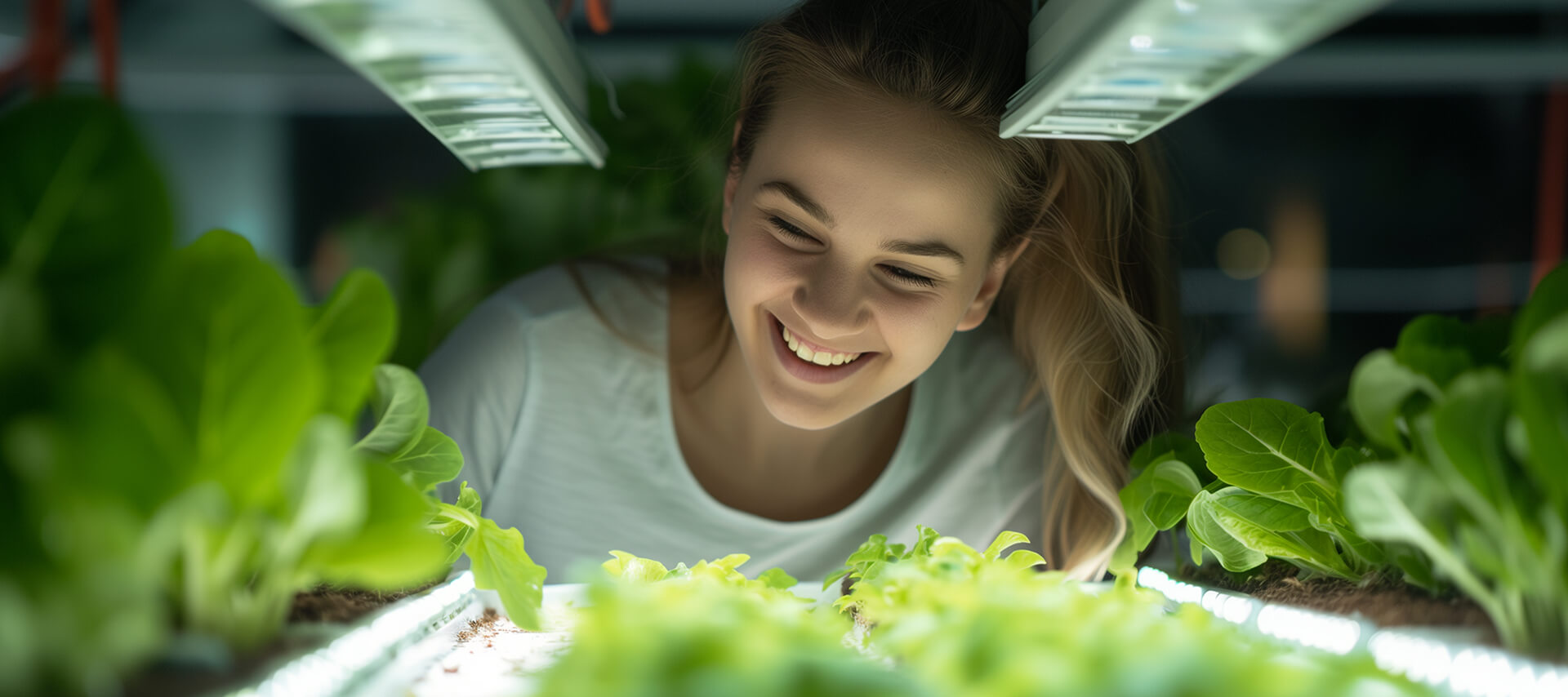


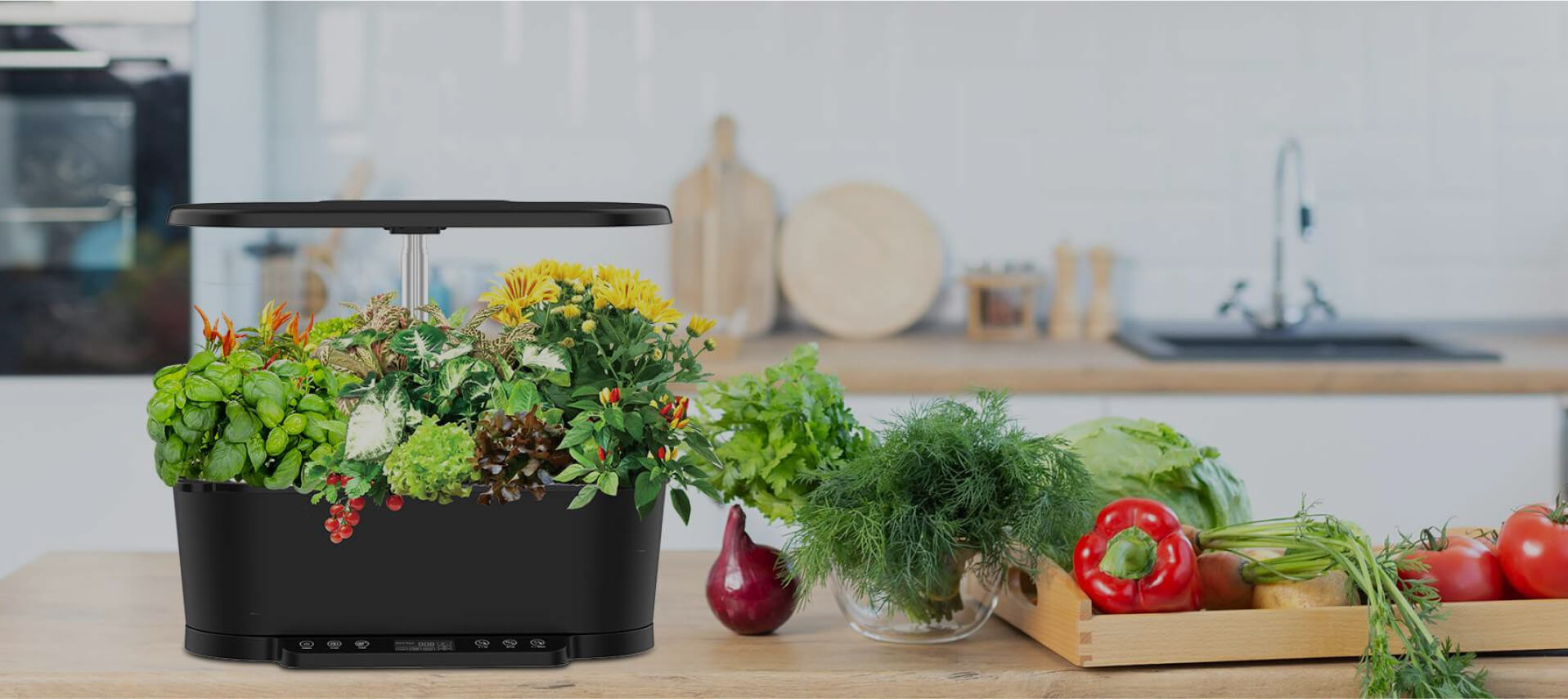
Lighting is one of the most important elements in hydroponic cultivation, especially in home conditions where access to natural light is limited. Proper LED lighting can help plants achieve optimal growth, as well as increase yield and improve plant quality. In this section, you will learn how to choose the right LED lighting for hydroponics, what types of lamps are available, and how to match the light to different stages of plant development.
Why is lighting crucial in hydroponics?
In the process of photosynthesis, plants convert light energy into chemical energy, which allows them to grow and develop. In natural conditions, plants use sunlight, which provides the full spectrum of essential light waves. In hydroponic systems, especially indoors, plants require artificial lighting that can mimic natural sunlight and provide them with the right amount of energy.
Types of LED lamps in hydroponics
- Full spectrum lamps
Full spectrum LED lamps emit light across a wide range of wavelengths, mimicking natural sunlight. This is the most versatile choice as they support both the vegetative and flowering phases. The full spectrum provides blue and red light, which are essential for photosynthesis. - Red and blue lamps
LED lamps that emit light in the red and blue spectrum are more specialized and effective in supporting the flowering and fruiting phases. Blue light supports leaf development, while red light promotes flower and fruit growth. For this reason, they are ideal for fruiting plants. - Adjustable lamps
Many modern LED lamps offer adjustable spectrum and intensity, allowing you to tailor the light to different growth phases. More intense light can be used during the vegetative phase and reduced during the flowering phase.
How to adjust lighting to the stages of plant development?
- Vegetative phase: At this stage, plants need intense light to develop strong stems and leaves. Full spectrum lighting or blue LED light works perfectly.
- Flowering and fruiting phase: In this phase, plants require red light, which supports flower and fruit production. Red-blue or full-spectrum lighting with adjustable intensity
is recommended.
Optimal intensity and exposure time
- Herbs and leafy vegetables: These plants require about 12–16 hours of light per day, which promotes rapid growth and healthy leaves.
- Fruit plants: Tomatoes, peppers, and cucumbers need intense light for 16–18 hours during the vegetative phase and about 12 hours during the flowering phase.
Light intensity is also important. It is recommended to use lamps with a power output appropriate for the growing area – for example, around 30–40 watts per square meter for leafy plants and around 50–60 watts for fruiting plants.
Advantages of LED lighting in hydroponics
LED lamps are energy efficient and emit little heat, making them an ideal choice for hydroponics. Their low energy consumption reduces operating costs, and their long service life ensures that investing in LED lamps is cost-effective.
Summary
Proper LED lighting in hydroponics is essential for healthy, abundant crops. The choice of a full spectrum, red-blue, or adjustable lamp depends on the type of plants and their needs at different stages of growth. Adjusting the intensity and duration of exposure will allow you to achieve optimal results, regardless of the type of plants you are growing.