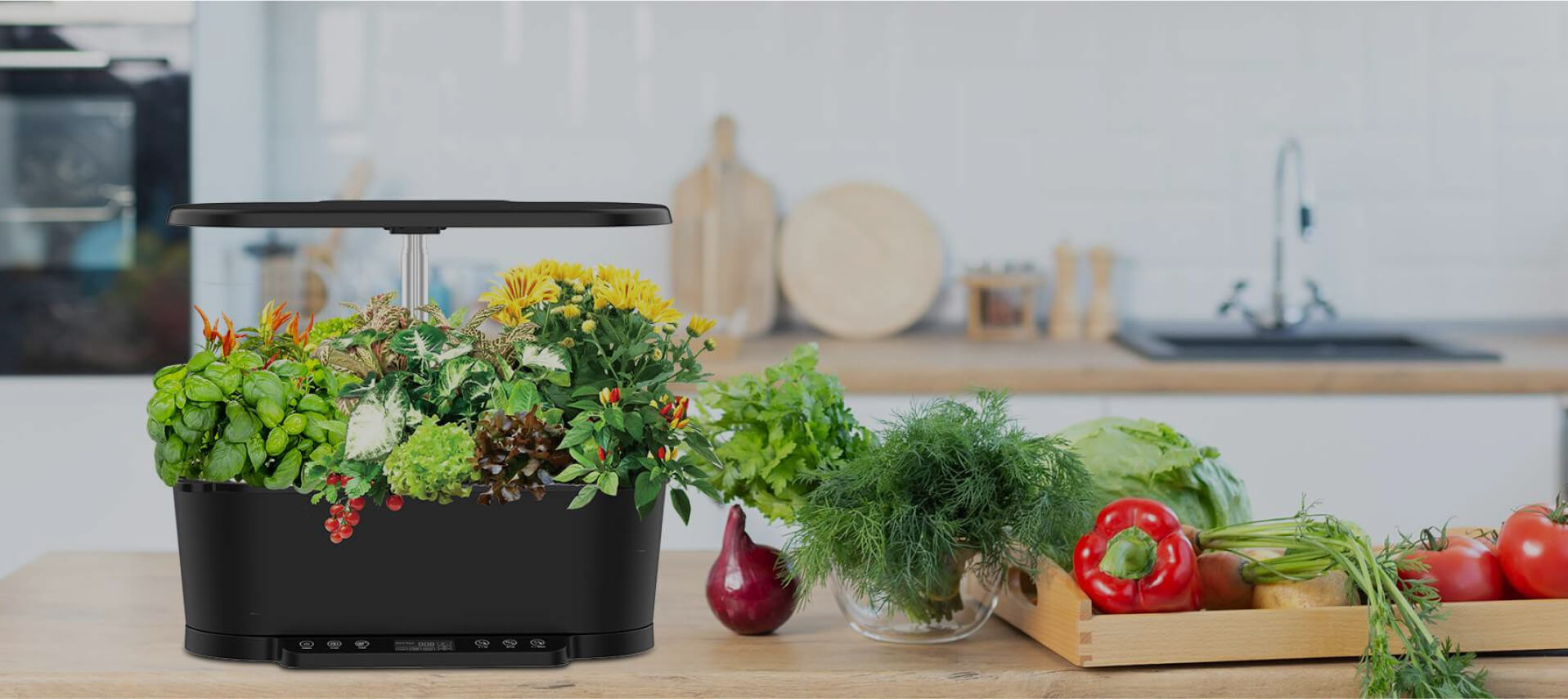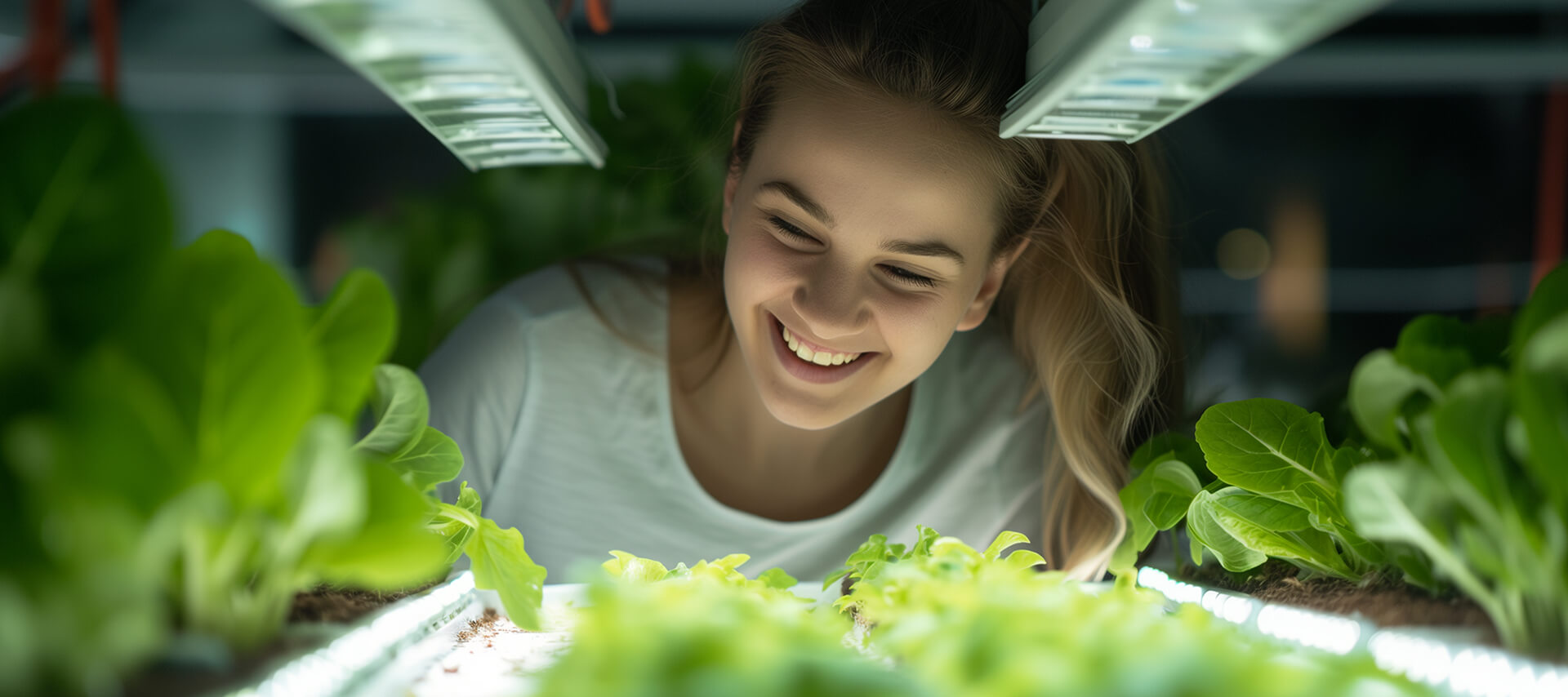


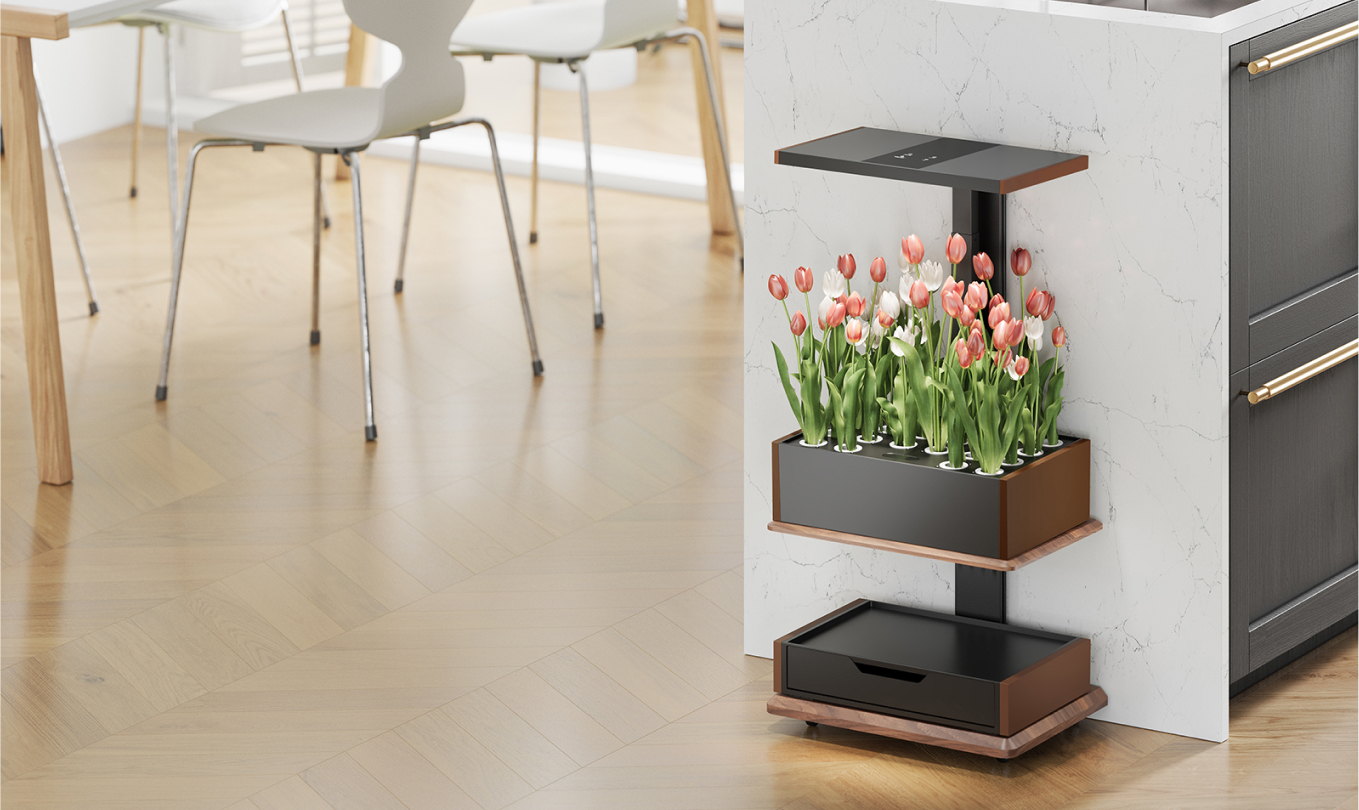
Hydroponics is a method of growing plants without soil, in which plants develop in a water solution full of essential nutrients. Although it may seem complicated, hydroponics is becoming increasingly popular among both home gardeners and professional farmers. The following guide will walk you through the basics of hydroponics, from choosing a system to caring for your plants.
What is hydroponics?
Hydroponics is the cultivation of plants in a water solution containing all the nutrients they need to grow. Plants can be supported by materials such as perlite, rockwool, or expanded
clay, which help keep the roots stable but do not provide nutrients. The advantage of hydroponics is the ability to precisely control the solution’s ingredients and the growing environment, allowing for faster growth and higher-quality yields.
Why choose hydroponics?
Hydroponics offers many advantages over traditional soil cultivation. First and foremost, it saves water – it uses up to 90% less water than conventional agriculture, which is crucial in
regions with limited water resources. In addition, hydroponics eliminates the need for pesticides and allows for year-round plant production in a controlled environment. At home,
hydroponics also allows you to enjoy fresh herbs and vegetables all year round.
Types of hydroponic systems
Choosing the right hydroponic system is a crucial step, especially for beginners. Here are the most popular systems:
- NFT (nutrient film): In this system, water with a nutrient solution flows in a thin layer under the roots of the plants. Ideal for light leafy plants and herbs.
- DWC (deep water): The roots of the plants are completely submerged in a nutrient solution. This system is relatively simple and effective, especially for leafy vegetables.
- Drip system: Water with a nutrient solution is delivered in drops directly to the roots. It allows for precise watering adjustment, which is helpful for more demanding plants.
- Aeroponics: The roots of the plants are suspended in the air and regularly sprayed with a nutrient mist. This is an advanced system that offers rapid growth but requires
precise management.
Choosing plants for hydroponics
Not all plants are suitable for hydroponic cultivation, so it is worth choosing those that grow well in this environment. Here are some suggestions that are ideal for beginners:
- Herbs: Basil, mint, oregano, and parsley grow well in hydroponic systems and do not require advanced care.
- Leafy vegetables: Lettuce, spinach, and arugula are fast-growing, making them great for your first hydroponic project.
- Fruiting vegetables: Tomatoes, peppers, and strawberries can also be grown hydroponically, but they require more space and more advanced care.
Nutrients and fertilization
Plants in hydroponic systems need access to the right nutrients because they do not have access to soil. Hydroponic fertilizer provides macro- and micronutrients such as nitrogen,
phosphorus, potassium, calcium, and magnesium. The choice of fertilizer depends on the type of plants being grown and their growth stage. Remember that in hydroponics, it is crucial to monitor the pH and EC of the nutrient solution. The optimal pH for most hydroponic plants is between 5.5 and 6.5. EC (electrical conductivity) measures the amount of dissolved salts, i.e., the concentration of nutrients, and should be adjusted to the needs of the plants.
Lighting in hydroponic cultivation
Light is essential for photosynthesis, which is why full-spectrum LED lighting is often necessary in hydroponics, especially in home conditions. LED lamps provide light of the right
color and intensity for optimal plant growth. Beginners may want to consider lighting that can be adjusted according to the growth phase – intense light during the vegetative phase and
more balanced light during the flowering phase.
Keeping the hydroponic system clean
Cleanliness is essential for plant health in hydroponics. Regular cleaning of tanks, pipes, and irrigation systems helps prevent the growth of bacteria and mold. It is a good idea to flush
the entire system weekly and check for any deposits. Preventing algae buildup is also crucial – make sure that the nutrient solution containers are opaque to limit light exposure to the water
Problems and solutions
Beginners may encounter some difficulties, such as:
- Root rot: This can be the result of insufficient aeration of the water or too high a temperature. The solution is to use an air pump or lower the temperature of the solution.
- Mold and algae: Keeping humidity low and avoiding excess light will help prevent mold and algae growth.
- pH fluctuations: If the pH level changes too often, it is worth checking the water quality and the stability of the fertilizers. Regular use of pH buffers may help.
Is hydroponics right for you?
Hydroponics may require some investment in equipment and supplies, but in the long run, it offers many benefits, including water savings, no need for chemical pesticides, and fresh crops available year-round. If you enjoy challenges and are interested in modern growing methods, hydroponics may be an excellent option.
Summary
Hydroponics is a modern growing method that allows you to enjoy fresh vegetables and herbs without the need for soil. Choosing the right system, plants, fertilizers, and regular
care of the system are the keys to success. Although hydroponics may require some initial preparation, the benefits of this method make it worth considering.